

Evaluating the Market: Is Gaithersburg, MD Safe and Worth the Investment in 2026?
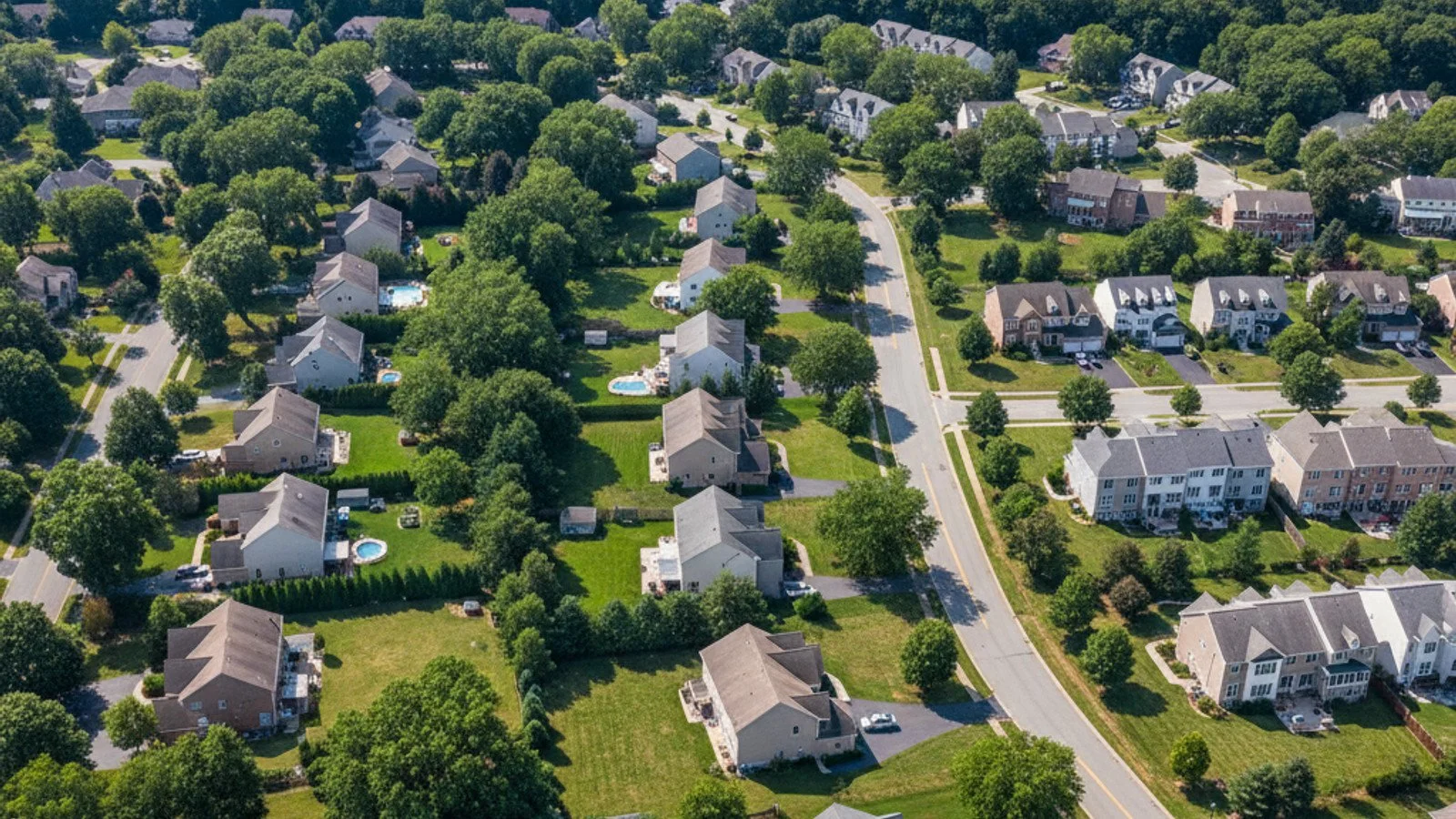
Buyers relocating to the Washington, D.C. metro area often focus their search on Montgomery County. As housing demands shift in 2026, many purchasers are taking a closer look at the local real estate data to determine if this specific market aligns with their financial goals.
A major part of that evaluation involves asking is Gaithersburg, MD safe, while also reviewing commute times, property values, and local infrastructure. Understanding the exact statistics and neighborhood features helps buyers make informed decisions before submitting an offer.
Understanding Gaithersburg, MD Crime Rates and Statistics
Evaluating objective crime data is a standard step for anyone purchasing a home in a new city. The latest Federal Bureau of Investigation crime data for early 2026 shows that Gaithersburg maintains a different statistical profile than the surrounding urban centers. Buyers reviewing these numbers will find a clear breakdown between property-related incidents and violent offenses.
Looking at the citywide data, the overall crime rate in Gaithersburg historically tracks approximately 25 to 30 percent lower than the national average. When compared to the broader Maryland state average, the local figures present a consistent downward trend in overall incidents. This data provides a measurable baseline for buyers comparing Montgomery County to other regions in the United States.
The distinction between property crime and violent crime is important when analyzing local police reports. Current statistics indicate that individuals face an approximate 1 in 396 chance of experiencing a violent crime in the city. Meanwhile, the chance of experiencing a property crime, such as motor vehicle theft or burglary, sits closer to 1 in 77.
How the Montgomery County Police Department Operates
Law enforcement in this area operates under a dual support structure that benefits local residents. The Gaithersburg Police Department handles municipal jurisdiction, while the broader Montgomery County Police Department provides additional resources and coverage. This combined approach ensures overlapping patrols and faster response times across the city limits.
Both departments utilize the National Incident-Based Reporting System, known as NIBRS, to track and classify offenses accurately. Buyers researching specific zip codes can access local safety dashboards and interactive crime maps to view this data in real time. These tools highlight recent trends, including a general decline in property crimes year-over-year as we move through 2026.
Gaithersburg Real Estate and Property Types
The local housing market offers a wide range of options for purchasers moving to the area. As of early 2026, the median home price in Gaithersburg sits at approximately $485,000. However, property values fluctuate significantly depending on the specific zip code and the age of the development.
Buyers must also factor in local carrying costs when budgeting for a home purchase. Montgomery County property tax rates apply to all local real estate, and many subdivisions also carry monthly homeowner association fees. Understanding these additional expenses is crucial for accurately calculating monthly mortgage obligations.
The current market remains highly active, with average days on market reflecting strong buyer demand. Well-priced properties often receive multiple offers, making it essential for buyers to have their financing secured early. Navigating this competitive environment requires a clear understanding of the available housing inventory.
Townhomes, Condos, and Single-Family Homes
The city features distinct property types that cater to different buyer preferences and budgets. Master-planned communities and transit-oriented developments provide varied options across the municipality. Buyers can generally expect the following inventory breakdown:
Townhomes maintain a strong presence in master-planned communities like Kentlands and Lakelands, frequently listing near a median of $555,000.
Condominiums are heavily concentrated near major transit centers and commercial hubs, offering lower entry prices.
Detached single-family homes dominate the areas extending toward Montgomery Village, featuring larger lots and mature landscaping.
Transportation Infrastructure and Commute Times
Proximity to major employment centers is a primary driver of real estate demand in Montgomery County. Gaithersburg sits approximately 25 miles northwest of downtown Washington DC. Typical rush hour commute times to the capital can range from 45 minutes to over an hour depending on the exact departure time.
Public transit provides a reliable alternative for residents who prefer to avoid highway traffic. The city features direct access to the MARC commuter train station, which connects to Union Station in Washington DC. This rail access is a major selling point for buyers working in the federal or corporate sectors downtown.
Additionally, the Shady Grove Red Line Metro station is located just outside the city limits. Local bus routes directly connect Gaithersburg neighborhoods to this Metro hub. Having multiple transit options helps stabilize local property values by ensuring long-term accessibility.
Access to the I-270 Technology Corridor
Interstate 270 serves as the primary arterial highway running directly through the city. This route is widely known as the technology corridor due to the dense concentration of life sciences and biotech companies located along the Maryland highway. These major employers support local housing demand by drawing a steady stream of relocating workers.
The concentration of commercial headquarters significantly impacts daily traffic patterns in the area. Commuters traveling along Interstate 270 experience heavy congestion during peak morning and evening hours. However, purchasing a home near these employment hubs often translates to strong long-term property appreciation.
Community Amenities and Infrastructure
The availability of local amenities plays a significant role in evaluating any real estate market. Gaithersburg features extensive commercial infrastructure, anchored by major mixed-use developments like Downtown Crown and Rio Lakefront. These centers combine retail, dining, and entertainment venues into highly accessible geographic hubs.
These specific mixed-use zones boast high walkability, with a Walk Score near 52 in the most central areas. Residents benefit from having grocery stores, restaurants, and medical offices located within a short distance of residential subdivisions. This level of convenience is a major draw for buyers leaving more isolated rural markets.
Municipal infrastructure also includes numerous public recreation facilities, such as the expansive Bohrer Park. Furthermore, properties within the city limits fall under the zoning and geographic boundaries of the Montgomery County Public Schools district. Access to these established municipal services adds tangible value to the local real estate landscape.
Frequently Asked Questions
Is Gaithersburg, MD a good place to live?
Gaithersburg offers a strong mix of retail amenities, reliable transportation infrastructure, and diverse real estate options. The city provides easy access to the Washington DC metro area via the MARC train and Interstate 270. Buyers often find the combination of master-planned communities and commercial hubs highly appealing.
How does crime in Gaithersburg compare to nearby cities?
When reviewing per-capita data, Gaithersburg generally reports lower overall crime rates than larger neighboring jurisdictions like Silver Spring. The statistics remain highly competitive with other Montgomery County suburbs such as Rockville and Germantown. Accessing local police dashboards allows buyers to verify these numbers for specific zip codes.
What types of crime are most common in Gaithersburg?
Property crimes represent the most frequent offenses recorded by the Montgomery County Police Department in this area. Incidents like motor vehicle theft and burglary occur more often than violent crimes. The data shows an approximate 1 in 77 chance of experiencing a property crime within the city limits.